


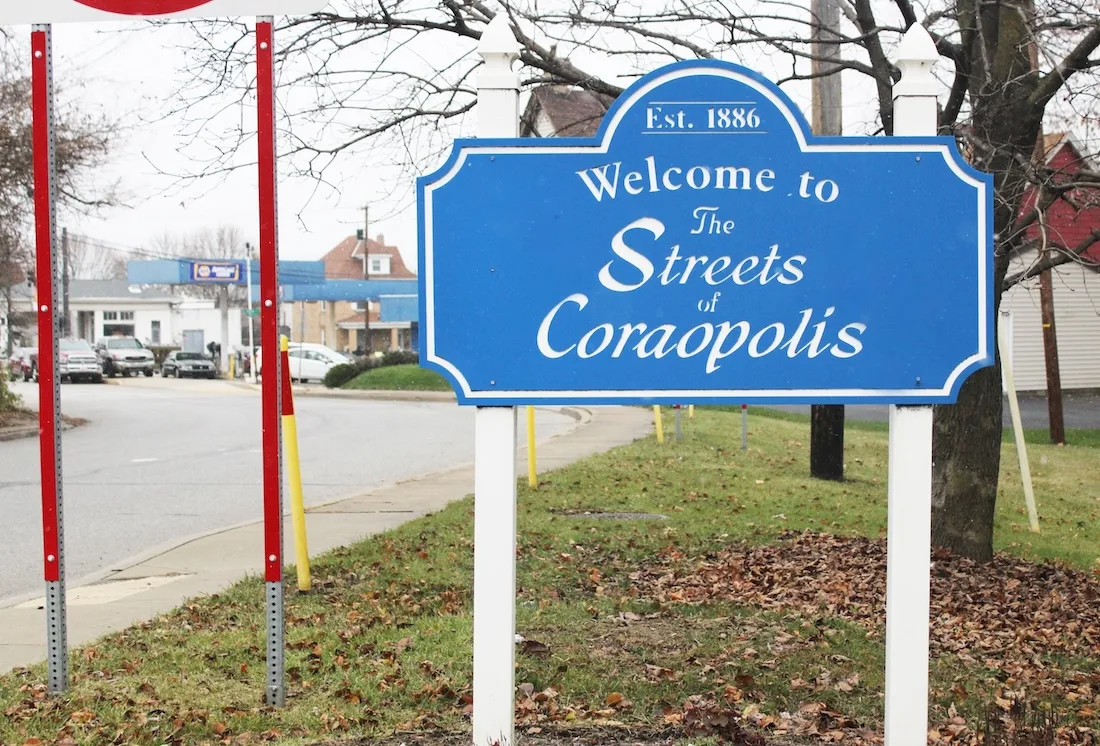
Coraopolis is a special kind of town. It’s the kind of place where people still greet you by name when you walk into a café, where small-business owners know their customers personally and where the community’s character is defined not by a franchise sign, but by the people who live and work there. That’s why the recent announcement that Dunkin’ plans to open a location at Fifth Avenue and Montour Street should not be taken lightly by the borough’s residents.
Sure, a new business might sound like an exciting idea or a promising sign of “economic development.” But not all development benefits a community equally, and not every growth is the growth that drives communities like Coraopolis to prosperity. Welcoming a large corporate coffee and donut chain like Dunkin’ into Coraopolis would come at a steep cost to the local economy, small businesses and the identity that makes the borough unique.
Coraopolis already has plenty of local cafés and coffee shops that offer everything a Dunkin’ can and more. Anchor & Anvil Coffee Bar, Queen Beans Café, Café A Mano, and POP Café are just a few examples of small businesses that provide high-quality coffee, food and service, all while reinvesting directly in our community. These are not faceless corporations. They’re owned by your neighbors, operated by your friends and sustained by the residents who understand the value of keeping their dollars local.
So, why does Coraopolis need a Dunkin’?
The truth is, it doesn’t. What Coraopolis needs is continued support for the businesses that already call it home. Small businesses are the heartbeat of local economies. They provide not just jobs, but a sense of belonging. They listen to their customers because they live among them. When you buy a cup of coffee at a local shop, your money circulates through the borough and supports local suppliers, employees and families.
Corporate chains, by contrast, siphon profits away from the towns they enter. Every dollar spent at a Dunkin’ is a dollar leaving Coraopolis, headed for a distant corporate headquarters rather than recirculating through the local economy. These chains often undercut local competition by leveraging massive capital reserves and offering artificially low prices that small businesses cannot match.
We’ve seen this story play out before. Coraopolis has a history of corporate ventures that simply didn’t last. Rite Aid, Dairy Queen and Pizza Hut all came and went, wreaking havoc on local competitors before leaving behind empty storefronts. What remains are the small, locally owned businesses that adapt, evolve and find new ways to serve the people who live in Coraopolis.
Coraopolis doesn’t need to chase the same model of commercial growth that has hollowed out so many other small towns. If the borough is serious about revitalization, it should focus on policies that help small businesses thrive, such as improving downtown infrastructure, offering small-business grants or creating incentives for locally owned startups to fill vacant spaces. Let’s invest in what’s already working: the entrepreneurs who are committed to Coraopolis for the long haul.
Coraopolis doesn’t need corporations to thrive. We already see it every day — in the smiles of local business owners, the familiar faces at the counter and the pride the residents take in supporting one another. That sense of community can’t be franchised, and it certainly can’t be bought by a corporation.
Chadwick Dolgos is a former Coraopolis resident and 2010 graduate of Cornell High School who currently works as an independent writer.


Leave a Reply